
Sleep Studies at Rangely District Hospital: Better Sleep Starts Here
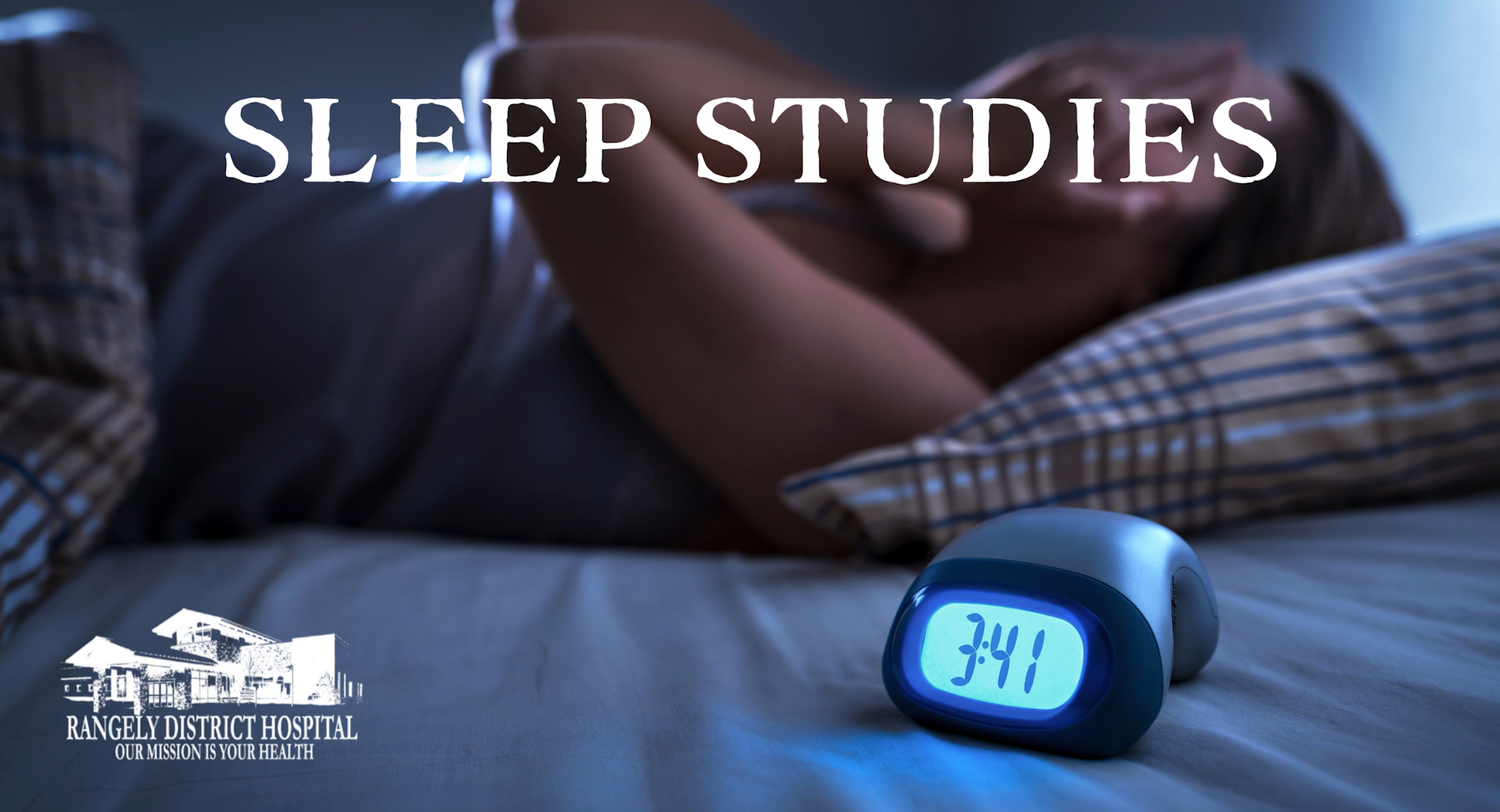
Quality sleep is essential to overall health, yet many people in our community struggle with sleep-related conditions without realizing it. At Rangely District Hospital (RDH), we offer sleep study services designed to help identify sleep disorders and connect patients with the care they need to rest easier and live healthier.
One of the most common reasons for a sleep study is to diagnose sleep apnea, a serious condition that affects breathing during sleep and can have long-term health consequences if left untreated.
What Is a Sleep Study?
A sleep study, also known as polysomnography, is a safe and non-invasive test that monitors your body while you sleep. During the study, healthcare professionals track brain activity, breathing patterns, heart rate, oxygen levels, eye movement, and muscle activity. This detailed information allows providers at RDH to accurately diagnose sleep disorders and create personalized treatment plans.
Sleep studies can be especially helpful for patients who experience loud snoring, daytime fatigue, morning headaches, difficulty concentrating, or restless sleep.
Types of Sleep Apnea
There are three main types of sleep apnea, each with different causes and treatment considerations:
Obstructive Sleep Apnea (OSA)
Obstructive Sleep Apnea is the most common type and occurs when the airway becomes blocked during sleep due to relaxed throat muscles. This blockage causes breathing to stop and start repeatedly throughout the night. Common symptoms include loud snoring, gasping for air, and poor-quality sleep. Untreated OSA can increase the risk of high blood pressure, heart disease, stroke, diabetes, and excessive daytime sleepiness.
Central Sleep Apnea (CSA)
Central Sleep Apnea occurs when the brain does not send proper signals to the muscles that control breathing. Unlike OSA, there is no physical blockage of the airway. CSA is often linked to underlying medical conditions such as heart failure, stroke, or neurological disorders. Patients may experience frequent awakenings and shortness of breath during sleep.
Complex (Mixed) Sleep Apnea
Complex sleep apnea is a combination of both obstructive and central sleep apnea. It is typically identified during a sleep study when central apnea events continue even after treatment for obstructive sleep apnea has begun. Accurate diagnosis is critical to ensuring the right treatment approach.
Why Sleep Studies Matter
Many people live with sleep apnea for years without a diagnosis. Over time, untreated sleep disorders can affect heart health, brain function, mood, memory, and overall quality of life. A sleep study at RDH provides the information needed to diagnose sleep apnea and guide effective treatment options, which may include CPAP therapy, oral appliances, lifestyle changes, or additional medical care.
Take the First Step Toward Better Sleep
If you are experiencing poor sleep, loud snoring, or ongoing daytime fatigue, a sleep study may be the answer. The care team at Rangely District Hospital is here to support you every step of the way.
Talk to your primary care provider today and ask them to send a referral for a sleep study at Rangely District Hospital. Better sleep—and better health—can start right here at home.